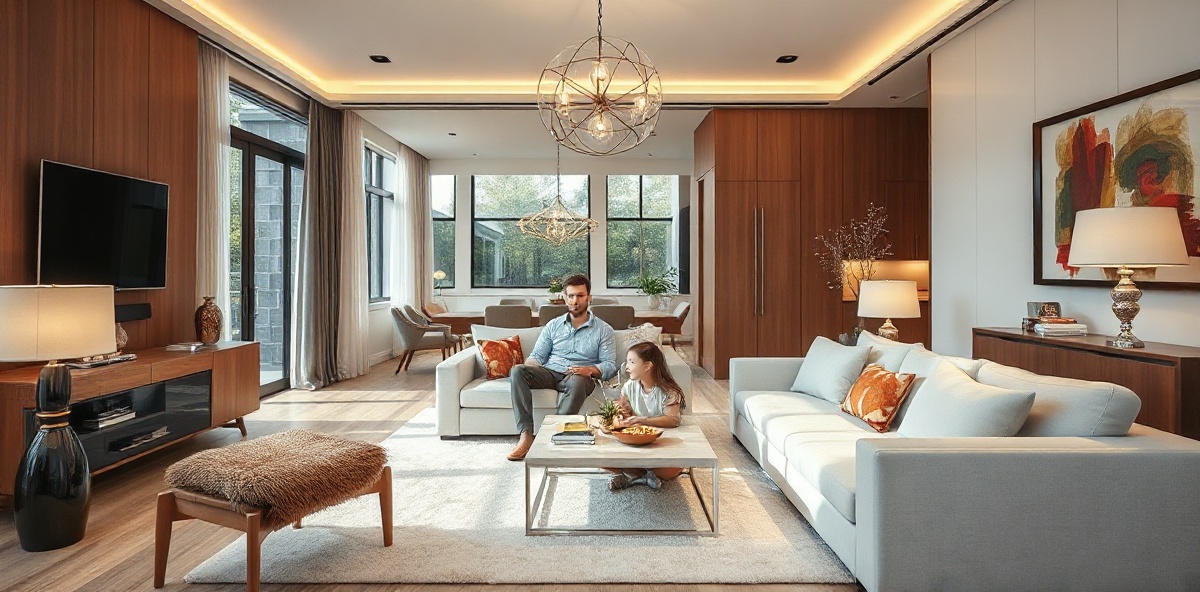
Sustainable building isn’t just an environmental choice—it’s an economic one. Eco-friendly homes cost less to operate, hold their value better, and attract increasingly conscious buyers. Here’s what you need to know about sustainable construction.
Why Sustainable Building Matters
Environmental Benefits:
- Reduced carbon footprint
- Lower waste during construction
- Decreased operational energy use
- Water conservation
- Healthier indoor environment
Financial Benefits:
- 20-40% lower utility bills
- Better long-term resale value
- Lower insurance in some areas
- Potential tax credits and rebates
- Durability reduces maintenance
Health Benefits:
- Better indoor air quality
- Reduced off-gassing from materials
- Lower exposure to toxins
- More natural light
- Better humidity control
Energy Efficiency
Insulation: Modern insulation standards mean homes use 50%+ less energy for heating/cooling than 20 years ago.
- High-performance insulation in walls, attics, basement
- Proper air sealing to prevent drafts
- Thermal breaks in framing
- Dense-pack cellulose (made from recycled paper)
- Spray foam (efficient but less eco-friendly)
HVAC Systems:
- High-efficiency furnaces and AC (SEER 16+)
- Heat recovery ventilation (HRV)
- Radiant floor heating
- Smart thermostats for optimization
Lighting:
- LED throughout (80% less energy than incandescent)
- Daylighting design (windows positioned for natural light)
- Occupancy sensors
- Dimming capabilities
Water Heating:
- Heat pump water heaters (50% more efficient)
- Solar thermal systems
- On-demand/tankless systems
- Insulated pipes
Cost: $5,000-$15,000 for whole-home energy upgrades Payback Period: 5-10 years through energy savings
Water Conservation
Fixtures:
- Low-flow toilets (1.28 GPF vs. 7+ GPF in older homes)
- Low-flow showerheads (1.5-2 GPM vs. 5+ GPM)
- Faucet aerators
- Smart irrigation systems
Systems:
- Rainwater harvesting (for landscape watering)
- Greywater systems (reuse shower/sink water for toilets)
- Permeable paving (allows water infiltration)
Maintenance:
- Fix leaks immediately
- Regular plumbing inspections
- Insulate pipes to reduce waste
Water Savings: 30-50% annual reduction easily achievable
Sustainable Materials
Flooring:
- Bamboo (grows faster than trees, harvests in 3-5 years)
- Cork (from tree bark, tree survives)
- Reclaimed hardwood
- FSC-certified wood
- Linoleum (from linseed oil, biodegradable)
- Concrete with recycled content
Cabinetry:
- FSC-certified wood
- Reclaimed or recycled materials
- Low-VOC finishes
- Durable to reduce replacement
Countertops:
- Recycled glass
- Recycled plastic with post-consumer waste
- Concrete with recycled content
- Natural stone (durable, long-lasting)
- Avoiding polyester and virgin plastic
Insulation:
- Recycled cellulose
- Cork
- Sheep’s wool
- Recycled plastic
- Mineral fiber from recycled content
Paint & Finishes:
- Low or zero-VOC (volatile organic compounds)
- Natural finishes
- Water-based vs. oil-based
Indoor Air Quality
Poor air quality causes health problems. Modern sustainable homes prioritize fresh air:
Ventilation:
- Heat recovery ventilation (HRV) provides fresh air without losing heat
- Regular air changes (4-6 per hour)
- Sealed combustion appliances
- Radon mitigation if needed
Materials:
- Low-VOC paints, finishes, and adhesives
- Formaldehyde-free cabinetry
- Natural materials over synthetics
- Avoid off-gassing plastics and finishes
Plants:
- Indoor plants filter air naturally
- Green walls provide oxygen
- Biophilic design connects to nature
Passive Solar Design
Position and design homes to use free sun energy:
Winter:
- South-facing windows maximize solar gain
- Thermal mass (concrete, masonry) stores heat
- Overhangs shade summer sun, allow winter sun
Summer:
- Shading from trees and overhangs
- Cross-ventilation for cooling
- Light colors reflect heat
Spring/Fall:
- Operable windows for fresh air
- Flexible shading systems
Renewable Energy
Solar Photovoltaic (PV):
- Convert sunlight to electricity
- Increasingly affordable
- 25-30 year lifespan
- 6-8 year payback typical
- Can offset 80-100% of electricity use
Solar Thermal:
- Heat water directly from sun
- Less expensive than PV
- Great for year-round sunshine
Wind:
- Only viable in very windy areas
- Requires clear zone and good wind resource
- More complex permits
Geothermal:
- Heat pump system using earth’s stable temperature
- Most efficient option (300-600% efficient)
- High upfront cost ($20,000-$30,000)
- Long payback period but dramatic energy reduction
Green Building Certifications
LEED Certification: Most recognized green building standard. Evaluates energy, water, materials, indoor air quality, and sustainability.
Passive House: Focus on ultra-high efficiency. Minimal heating/cooling needed. Extremely airtight and well-insulated.
Energy Star: Focuses on energy efficiency. Less comprehensive than LEED but easier/cheaper to achieve.
Living Building Challenge: Most stringent standard. Requires net-positive performance (produce more energy than consumed).
Budget-Friendly Sustainable Upgrades
$0-$500:
- Caulk and weatherstrip (air sealing)
- Programmable thermostat
- LED bulbs
- Low-flow showerheads
- Reduce water heater temperature to 120°F
$500-$2,000:
- Heat pump water heater
- Additional insulation
- Better windows in most-used rooms
- Smart HVAC control
$2,000-$10,000:
- HVAC system upgrade
- Whole-home insulation
- Window replacement
- Solar thermal system
$10,000+:
- Solar PV system
- Geothermal system
- Whole-home renovation
The ROI of Sustainability
Immediate Savings:
- 20-40% utility bill reduction
- Lower water bills
- Reduced maintenance
Resale Value:
- Energy-efficient homes sell 5-10% faster
- Buyers pay 3-5% more for certified green homes
- Better long-term value preservation
Example: $100,000 sustainable home renovation
- Annual energy savings: $2,000
- 20-year savings: $40,000
- Resale premium: $15,000+
- Total value: $55,000+ return
Getting Started
Step 1: Audit Your Home
- Energy audit ($200-$400, often rebated)
- Water audit
- Identify biggest opportunities
Step 2: Prioritize
- Target highest impact/lowest cost first
- Combine air sealing with insulation
- Upgrade HVAC with smart controls
Step 3: Use Incentives
- Federal tax credits (up to $3,600)
- State and local rebates
- Utility company programs
- PACE financing
Step 4: Plan Long-Term
- Phased approach over 5-10 years
- Track energy and water savings
- Plan major renovations with sustainability
The Future of Building
Sustainable construction is becoming standard, not optional. New homes built today will be increasingly efficient, and tomorrow’s buyers will expect it. Building sustainably now positions your home for the future.
iRosario Properti LLC specializes in sustainable construction and renovation. We build homes that are environmentally responsible, economically smart, and healthy for residents.
Ready to build or renovate sustainably? Schedule a consultation