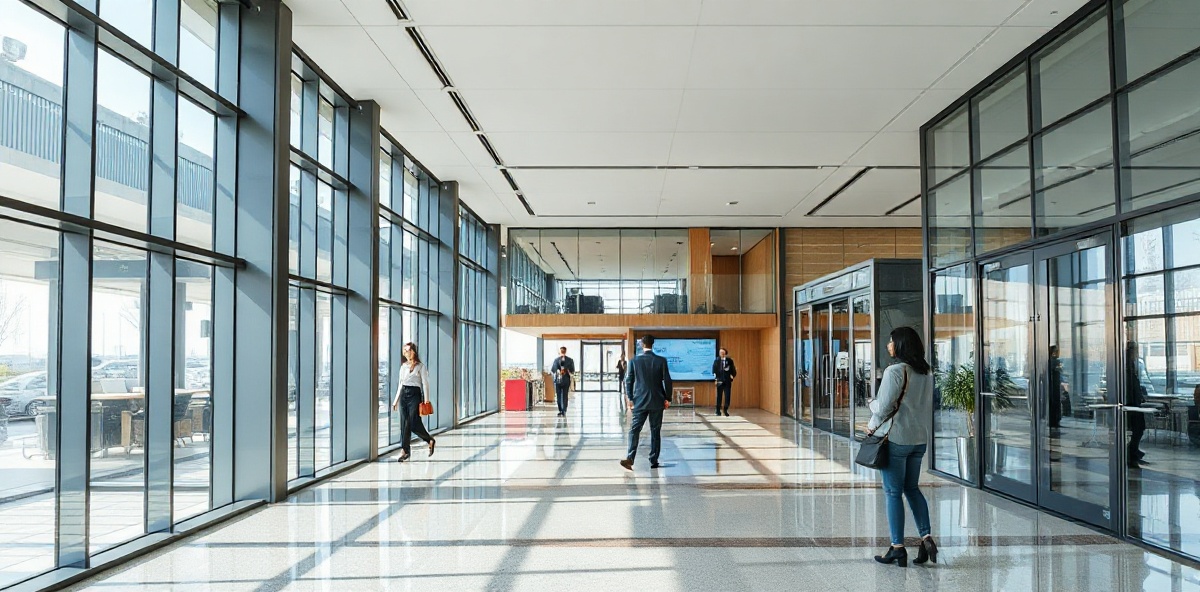
Office environment directly impacts employee productivity, morale, and company success. Strategic design creates spaces where people do their best work while reinforcing company culture.
The Productivity-Design Connection
Research Shows:
- Well-designed offices increase productivity by 15-20%
- Natural light improves alertness and mood
- Temperature control affects focus
- Noise levels impact concentration
- Plants and greenery reduce stress
- Design reflects company culture
Investing in office design isn’t aesthetic—it’s business strategy.
Open vs. Private vs. Hybrid Spaces
Open Office Plans
Pros:
- Collaboration and communication
- Lower square footage per person
- Flexible reconfiguration
- Modern aesthetic
- Cost-efficient
Cons:
- Noise and distraction
- Privacy concerns
- Difficult for focus work
- Acoustics challenges
Best For: Highly collaborative teams, communication-focused work
Productivity Impact: Mixed—collaboration up, focus work down
Private Offices
Pros:
- Focus and concentration
- Confidential conversations
- Status recognition
- Quiet for complex work
Cons:
- Isolation and silos
- Less collaboration
- Higher cost per person
- Hierarchical feel
Best For: Executive offices, confidential work, senior roles
Productivity Impact: High for focus work, low for collaboration
Hybrid/Activity-Based Working
Concept: Variety of spaces for different work types: focus zones, collaboration areas, phone booths, quiet areas.
Pros:
- Best of both worlds
- Flexibility for different tasks
- Supports different work styles
- Modern and adaptable
Cons:
- More complex management
- Requires more square footage initially
- Behavioral change needed
- Implementation challenges
Best For: Most modern companies
Productivity Impact: Highest when designed well
Space Design Elements
Lighting
Natural Light:
- Improves mood and alertness
- Regulates circadian rhythm
- Reduces eye strain
- Boosts vitamin D production
Strategy:
- Position desks near windows
- Use light-colored interior walls to reflect
- Avoid glare on screens
- Skylights if possible
Artificial Lighting:
- 400-500 lux for office work (industry standard)
- Full-spectrum bulbs mimic natural light
- Layered lighting (ambient + task)
- Dimmers for flexibility
Cost: $50-$150 per fixture Benefit: Dramatic productivity and health impact
Temperature & Air Quality
Optimal Temperature:
- 70-72°F for cognitive work
- Individual variation; some like cooler
- Consistent temperature critical (fluctuation distracts)
Air Quality:
- CO2 levels impact cognitive function
- Stale air reduces decision-making ability
- Ventilation 6-8 air changes per hour
- Plants help filter air naturally
HVAC Considerations:
- Zoning allows temperature variance
- Smart controls optimize comfort
- Regular maintenance essential
Acoustics
Noise Management:
- Soft furnishings absorb sound (rugs, curtains)
- White noise machines mask distracting sounds
- Acoustic panels reduce reflection
- Phone booths for calls in open areas
Sound-Masking Strategies:
- Background music (low volume, instrumental)
- Water features (fountains)
- Biophilic sounds (nature sounds)
Quiet Zones:
- Focus areas away from high-traffic
- Sound-dampening materials
- Minimal interruption culture
Color Psychology
Color Effects on Productivity:
Blue:
- Calm, focus, concentration
- Reduces stress
- Best for office environments
- Avoid excessive (can feel cold)
Green:
- Balance, renewal, reduces eye strain
- Calming and energizing
- Biophilic connection
- Excellent for offices
Yellow:
- Optimism, creativity, energy
- Caution: too much causes anxiety
- Accent color, not dominant
Red:
- Energy, urgency, attention
- Can be stimulating (good for creative work)
- Overstimulating for long-term focus
Recommendation:
- Base: Cool tones (blue, green, light gray)
- Accents: Warm tones (yellow, orange, warm wood)
- Variety prevents monotony
Furniture & Ergonomics
Office Chairs:
- Ergonomic support crucial (lumbar support, adjustability)
- Budget: $300-$800 for quality
- Poor seating = back pain, reduced productivity
- Posture affects mood and energy
Desks:
- Adjustable height (sit-stand) increasingly important
- 48-60” width standard
- Cable management critical
- Height: 28-30” for seated work
Standing Desks:
- Movement prevents stiffness
- Improves circulation
- Reduces fatigue
- Best: adjustable (sit-stand hybrid)
Accessories:
- Monitor stands (eye level)
- Keyboard and mouse positioning
- Document holders
- Footrests
- Wrist rests
Proper Setup:
- Monitor at arm’s length, eye level
- Keyboard at elbow height
- Back support with chair
- Feet flat on floor
- Regular breaks (every 30 minutes)
Collaboration Spaces
Meeting Rooms:
- Multiple sizes for different meetings
- Technology: video conferencing, screens
- Whiteboards/writable surfaces
- Natural light when possible
- Comfortable seating
Brainstorming Areas:
- Creative atmosphere
- Writable surfaces everywhere
- Flexible seating
- Inspiring décor
- Fewer rules/hierarchy
Breakout Zones:
- Casual seating (couches, high tables)
- Natural light and plants
- Relaxed atmosphere
- Encourages informal collaboration
Focus/Quiet Areas
Phone Booths:
- Individual privacy for calls
- Soundproofed
- Just enough for one-two people
- Prevent open-office calls from disrupting
Focus Rooms:
- Solo work zones
- Minimal interruption
- Sound dampening
- Away from high-traffic areas
Library Zones:
- Absolutely quiet
- Individual desks
- No conversation
- Like library environment
Biophilic Design
Concept: Incorporate nature into office design to improve wellbeing and productivity.
Elements:
- Live plants and greenery
- Natural materials (wood, stone)
- Natural light and views
- Water features
- Nature imagery
- Organic shapes
Benefits:
- Reduced stress
- Improved air quality
- Increased creativity
- Higher employee satisfaction
- Lower absenteeism
Implementation:
- Potted plants throughout
- Green walls/living installations
- Window access to views
- Natural material finishes
- Nature photography and art
Cost: $1,000-$5,000 depending on scale Benefit: 10-15% productivity increase documented
Technology Integration
Essential Infrastructure:
- High-speed WiFi throughout
- Sufficient electrical outlets
- Cable management systems
- Backup power (UPS)
- IT security
Collaboration Tools:
- Video conferencing systems
- Screen sharing technology
- Digital whiteboards
- Project management screens
- Real-time communication
Smart Office Systems:
- Automated lighting (occupancy sensors)
- Smart thermostats
- Room booking systems
- Visitor check-in systems
- Security and access control
Cultural Fit
Design Reflects Company Values:
Startup Vibe:
- Open, collaborative
- Colorful and creative
- Relaxed, casual
- Flexible and adaptable
Corporate Professional:
- Structured and organized
- Sophisticated finishes
- Private spaces
- Professional atmosphere
Tech/Innovation:
- Modern and cutting-edge
- Tech-forward features
- Flexible spaces
- Inspiring aesthetics
Healthcare/Finance:
- Professional and trustworthy
- Private spaces for confidentiality
- Quality materials
- Calm atmosphere
Implementation Budget
Small Office Refresh ($10,000-$50,000):
- Furniture upgrades
- Paint and lighting
- Plants and décor
- Acoustic improvements
Medium Office Renovation ($50,000-$150,000):
- Layout reconfiguration
- New furniture
- Lighting systems
- Technology upgrades
- Paint and finishes
Large Office Build-Out ($150,000+):
- Complete redesign
- New construction
- High-end finishes
- State-of-art technology
- Professional design services
ROI Calculation
Productivity Gains:
- 15-20% productivity increase from well-designed office
- Example: 50-person office @ $60K average salary = $450,000-$600,000 value
- Investment: $50,000-$100,000
- Payback: Under 1 year
Retention Benefits:
- 10-15% improved retention
- Each hire costs 50% of salary to replace
- Savings: $150,000-$300,000 annually
Recruitment:
- Modern office attracts talent
- Competitive advantage in hiring
- Easier to recruit and retain top performers
Before and After
Before (Typical Sad Office):
- Fluorescent lights, no windows
- Poor air quality
- Generic cubicles
- Chaotic desks
- Broken furniture
- No collaboration spaces
After (Transformed Office):
- Natural and quality artificial light
- Fresh air circulation
- Modern, ergonomic furniture
- Organized, clean desks
- Variety of work spaces
- Inspiring breakout areas
Difference:
- Employee engagement: 40%+ improvement
- Productivity: 15-20% improvement
- Retention: 10-15% improvement
- Recruitment: Easier, faster
Design Process
- Assessment: Understand current challenges and goals
- Research: Benchmark competitors and industry standards
- Planning: Develop design concept and layout
- Budgeting: Cost estimation and phasing
- Implementation: Execution with minimal disruption
- Evaluation: Monitor productivity and satisfaction
Engaging Professionals
Interior Designer:
- Understands space optimization
- Aesthetic sensibility
- Vendor relationships
- Cost management
Architect:
- Structural changes and compliance
- Building codes and ADA
- Major renovations
Workplace Strategist:
- Understands work patterns
- Technology integration
- Future-proofing
Common Mistakes
❌ One-size-fits-all design Different teams have different needs.
❌ Ignoring ergonomics Short-term savings become long-term health costs.
❌ No employee input Occupants’ perspectives essential for success.
❌ Cutting corners on quality Cheap furniture and fixtures fail faster.
❌ Forgetting about growth Design should accommodate future expansion.
❌ Overcomplexity Sometimes simplicity is most effective.
Future-Proofing
Design for evolution:
- Flexible layouts that reconfigure
- Technology-ready infrastructure
- Sustainability features
- Accessibility standards
- Remote/hybrid work accommodation
Office design is an investment in your people and company success. Thoughtful design creates spaces where people want to work, collaborate effectively, and produce their best work.
iRosario Properti LLC specializes in commercial office design and build-out, combining functionality with inspired design to create workspaces that drive business success.
Ready to transform your office space? Schedule a consultation